Emergency loans
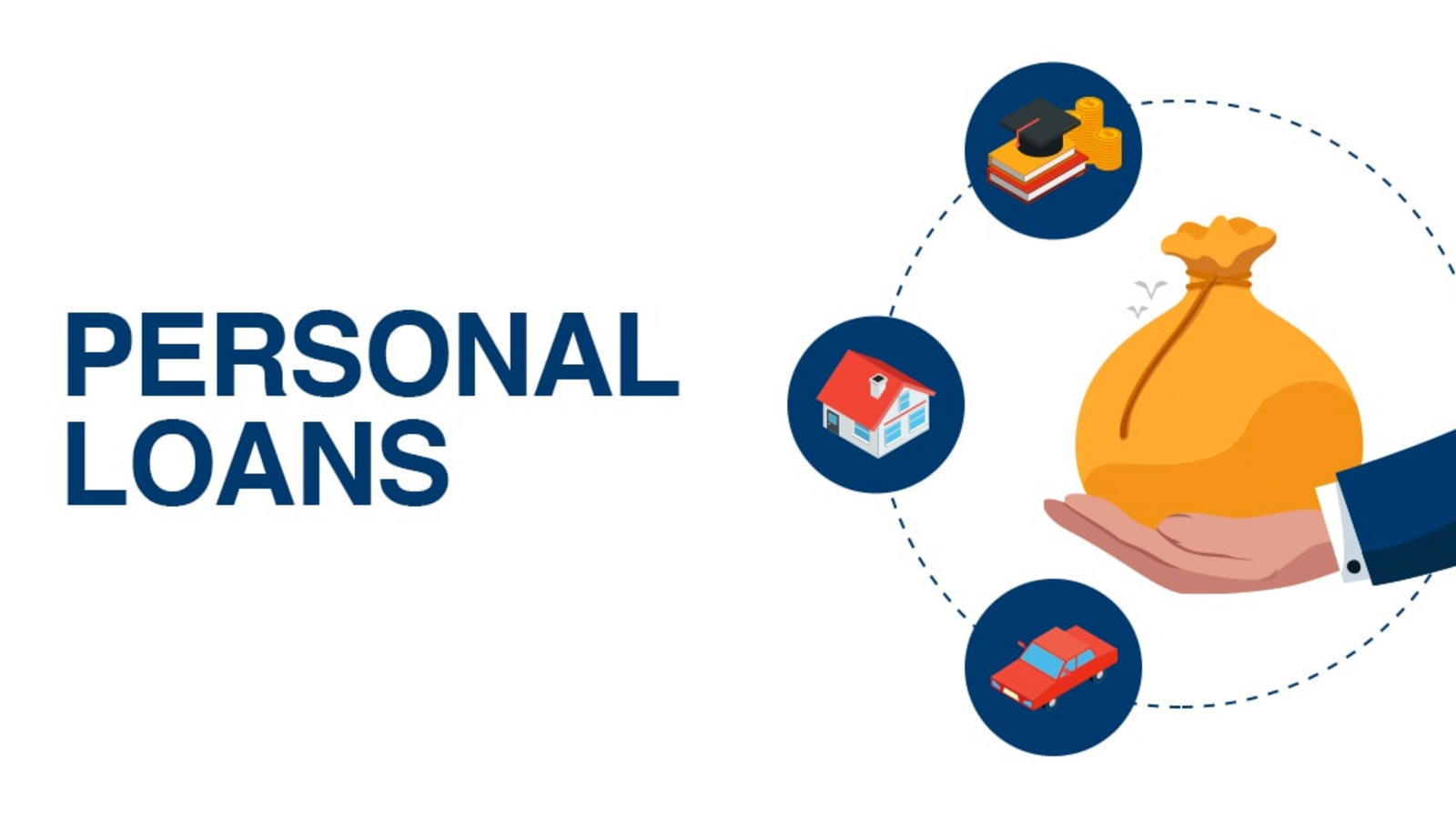


Consider applying for an emergency loan if you’re facing an unexpected financial crisis. These loans are designed to provide swift assistance, allowing you to handle sudden emergencies with more ease. This financial tool serves as a much-needed cushion when unplanned expenses arise, offering a safety net that can prevent further complications.
These loans cater to various urgent situations - ranging from medical emergencies to unforeseen home repairs. Knowing when and how to use these financial resources can make a significant difference in managing stress and expenses. Emergency loans can often be approved quickly, sometimes within a matter of hours, which is crucial in time-sensitive predicaments.
Before opting for an emergency loan, review the terms carefully to understand interest rates and repayment schedules. Doing this ensures that you make an informed decision that won’t negatively impact your financial health in the long run. Remember to explore options that offer flexibility in repayment, as this can ease future financial burdens.
In certain situations, traditional loan options may not be available due to credit issues. Many emergency loan providers offer options with fewer credit restrictions, which can be a lifeline for those who may not qualify for conventional lending. The key is to identify a reputable lender that can provide transparent terms and responsive service.
Identifying Situations Requiring Emergency Loans
Recognize an emergency loan's necessity when facing unexpected medical expenses, especially those not covered by insurance. This quick financial remedy can help manage hospital bills, urgent surgeries, or specialized treatments efficiently.
Consider obtaining an emergency loan if your employment situation changes suddenly, like job loss or reduction of working hours. This temporary financial support can ensure timely payment of essential bills and prevent credit score damage.
Home repairs following natural disasters or accidental damage often require immediate funding. An emergency loan facilitates quick restoration efforts, whether it's fixing a damaged roof, addressing flooding, or repairing structural issues.
Automobile breakdowns or accidents that impair your vehicle's usability may also justify an emergency loan. If the car is crucial for work or daily responsibilities, immediate repair or replacement becomes necessary to maintain stability.
Support educational costs that arise with little warning, such as unexpected tuition increases or sudden enrollment in mandatory courses to maintain academic progression. An emergency loan can prevent disruption of educational plans.
In situations requiring urgent relocation, whether due to personal safety, job requirements, or eviction, an emergency loan provides the needed funds for deposits, moving services, and initial living expenses in a new environment.
Use emergency loans judiciously and explore them primarily as a strategic solution when immediate financial relief is imperative to uphold personal stability and well-being.
Key Features and Terms of Emergency Loans
Consider flexible repayment options as a standout feature when evaluating emergency loans. Lenders offer varied repayment schedules, often allowing borrowers to select terms that match their financial capability, ranging from a few months to several years. This flexibility can alleviate stress as it provides a manageable way to repay the debt.
Interest rates represent another crucial aspect. Emergency loans typically come with higher rates compared to traditional loans due to their short-term nature and associated risk. It's advisable to compare offers from multiple lenders to secure a more competitive rate, which directly impacts the total amount repayable.
Speed of disbursement is critical. Emergency loans are designed for rapid processing, with funds often available within 24 to 48 hours post-approval. This swift access can be vital in financial emergencies, offering timely assistance to tackle urgent expenses.
Pay attention to the loan fees. Origination fees, late payment penalties, and prepayment penalties may apply, and these additional costs can affect the overall affordability of the loan. Review the loan agreement carefully and inquire about any unclear terms to avoid surprises.
Eligibility criteria generally include a minimum credit score, proof of stable income, and sometimes a co-signer. Meeting these requirements enhances approval chances but ensure you fully understand the implications if opting for a co-signer, as it affects their credit as well.
Steps to Apply for an Emergency Loan
To successfully apply for an emergency loan, gather all necessary documents before reaching out to potential lenders. Ensure you have identification, proof of income, and bank statements ready, as these will expedite the process.
Research and Compare Lenders
Conduct thorough research to identify lenders who offer favorable terms for emergency loans. Compare interest rates, repayment periods, and loan processing times. This evaluation helps select a lender that meets your financial needs.
Complete the Application Process
Visit the chosen lender’s website or physical location and fill out the application form. Provide accurate information to prevent delays. Double-check your application for completeness and correctness before submission.
Prepare to discuss your financial situation with the lender. Transparency about your financial health can enhance the likelihood of approval and lead to better loan terms.
Step Action 1 Gather all required documents. 2 Research potential lenders. 3 Compare lenders based on terms and conditions. 4 Complete and submit your application. After submission, promptly respond to any lender requests for additional information. Swift communication ensures a quick loan approval process. Once approved, carefully review the loan agreement and understand all terms before accepting and signing any documents. Use the funds responsibly and stick to the established repayment plan to enhance your creditworthiness for future financial needs.
Assessing Eligibility Criteria for Borrowers
Determine first whether the applicant meets age and residency requirements, as many lenders necessitate that borrowers be at least 18 years old and permanent residents of the country. Next, assess their income and employment stability, as lenders typically require proof of a steady income to ensure the ability to repay the loan.
- Credit Score Evaluation: Examine credit reports to understand the applicant's financial behavior. While emergency loans might be available for those with lower scores, interest rates can be significantly impacted.
- Existing Debt: Review current debt levels to evaluate the applicant’s additional borrowing capacity. A high debt-to-income ratio may signal potential repayment issues.
- Loan Purpose Documentation: Verify the reasons for borrowing to ensure they align with the lender's acceptable use policies. This may include unexpected medical expenses or urgent repairs.
- Collateral Requirements: Determine if collateral is required. Secured loans may demand assets such as property or vehicles to mitigate the lender's risk.
Ultimately, each lender has its own specific criteria, so it's beneficial for applicants to compare offers from multiple sources. This approach helps in identifying the most favorable terms and conditions that align with their financial situation and needs.
Comparing Emergency Loans and Alternative Financial Solutions
Opt for an emergency loan when you need rapid access to funds and can fulfil specific eligibility criteria. Emergency loans, offered by banks and credit unions, usually provide short repayment periods and predefined interest rates, making them suitable for urgent but clear financial needs. They can often be approved and disbursed within a day, which is crucial in times of unexpected crises.
Considering Credit Cards and Personal Lines of Credit
Credit cards offer the advantage of revolving credit, allowing repeated use up to a set limit without needing to reapply. However, be mindful of high interest rates if balances are not cleared in time. Personal lines of credit provide more flexibility and potentially lower rates but often require a strong credit history. Evaluate your spending habits and repayment discipline before choosing between these options.
Exploring Peer-to-Peer Lending and Payday Loans
Peer-to-peer lending platforms match borrowers with individual lenders, possibly offering lower interest rates and more flexible conditions based on personal negotiations. They, however, typically take longer for approval. Payday loans, in contrast, offer fast cash with extremely high interest, making them a costly choice for long-term needs. Use payday loans only as a final resort due to their detrimental financial impact.
Investigate government assistance programs in case of specific crises like natural disasters or medical emergencies. These programs often provide grants or low-interest loans with more forgiving terms, prioritizing assistance over profit.
Evaluate your urgency, financial habits, and long-term goals when deciding between emergency loans and alternatives. A decision weighing both immediate needs and future implications will best address your circumstances without unnecessary financial strain.
Managing Repayment of Emergency Loans
Prioritize consistent payments to avoid accumulating additional interest. Create a detailed budget plan by listing all your income sources and expenses. Allocate funds specifically for loan repayment each month, ensuring that this amount is non-negotiable.
Set up automatic payments through your bank to minimize the risk of missing due dates. This not only preserves your credit score but also reduces stress by eliminating the need for manual handling.
If unexpected financial difficulties arise, immediately contact your lender to explore options such as temporary deferment or a modified repayment plan. Open communication demonstrates responsibility and may result in more favorable terms.
Consider additional income streams to expedite repayment. Utilize freelance work, part-time jobs, or selling unused items to generate extra cash directed solely toward the loan.
Regularly review your progress on loan repayment. Track your balance and celebrate milestones, as this reinforces your commitment and motivates continued effort. Implement these strategies to efficiently manage and overcome emergency loan obligations.